June 26, 2026
In the aftermath of a severe storm, homeowners face a multitude of challenges, one of the most significant being the cleanup of trees and debris. Professional tree services become vital not only in maintaining safety but also in protecting property and managing heavy debris effectively. These expert teams ensure that potential hazards are addressed promptly, minimizing the risk of further damage or injury to your family and home.
Understanding Storm Damage and Immediate Risks
Various types of storms can lead to significant tree damage, each presenting unique challenges for local property owners. Hurricanes and tropical storms often bring high winds and heavy rainfall, which can easily uproot mature trees and snap large branches. Thunderstorms are also common culprits, producing lightning strikes that can split trunks or cause devastating internal damage. Ice storms pose a different threat altogether, as the added weight from ice accumulation breaks limbs and causes widespread structural damage.
Storms can wreak havoc on local landscapes, with certain types of destruction being much more prevalent than others. According to a 2025 peer-reviewed study, 31% of trees assessed after storms showed damage, with broken branches being the most common issue requiring removal or trimming. Other frequent issues include split trunks, which severely compromise structural integrity, and root damage that leads to long-term instability. Proper identification of these damages is critical in planning effective recovery efforts before additional hazards develop.
After a major weather event, assessing the risks that damaged trees pose is of immediate and vital importance. Broken branches that hang precariously in the canopy can fall unexpectedly, posing a major threat to people and property below. Trees that have shifted or show signs of uprooting present an immediate danger, as they can topple without warning. Getting a prompt assessment by professional tree services helps in identifying these hazards early and implementing necessary safety measures.
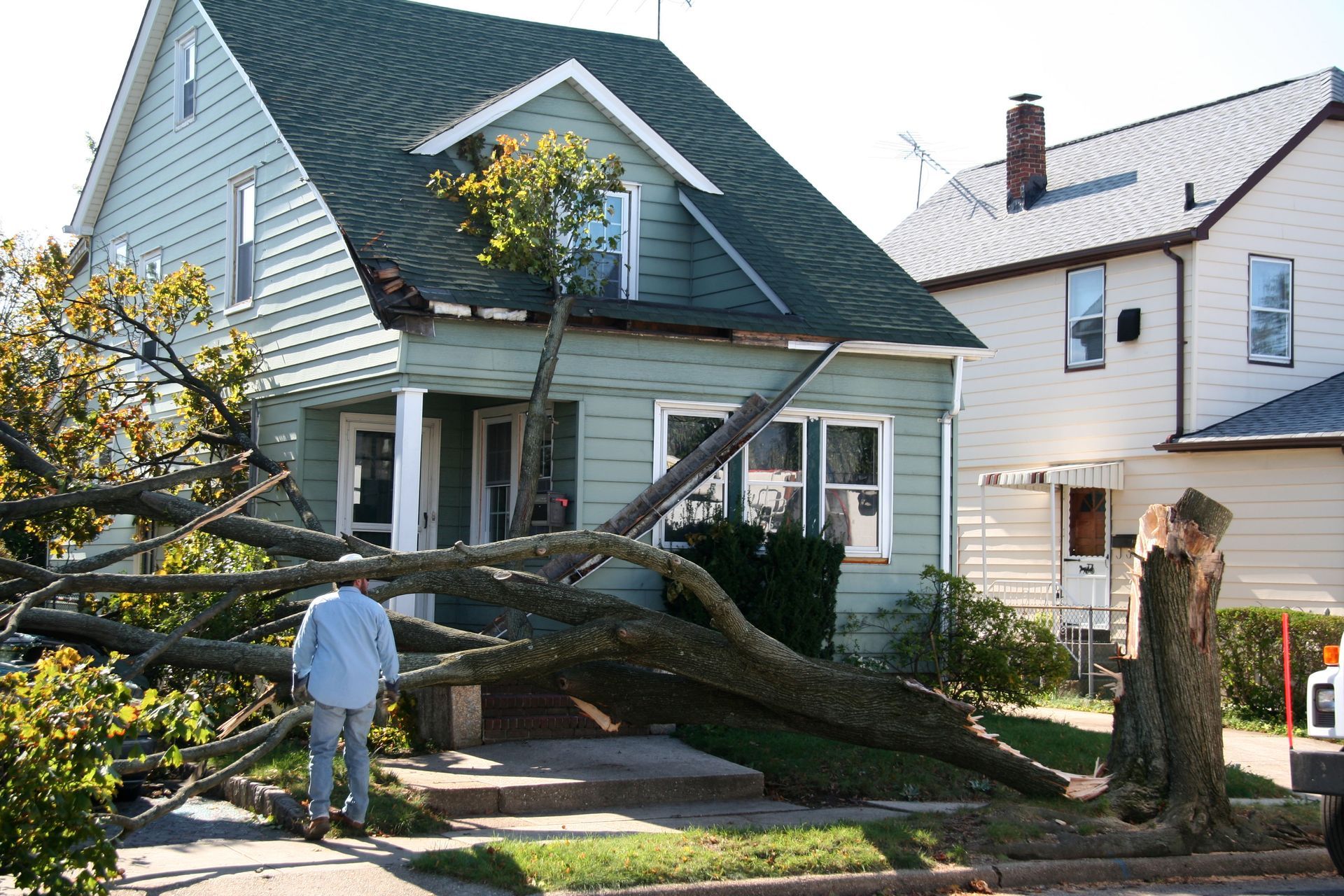
Storm-damaged trees can have massive repercussions on residential property and local municipal infrastructure. Falling trees and heavy branches can smash roofs, shatter windows, and crush vehicles, resulting in costly insurance repairs. Furthermore, falling timber frequently disrupts power lines and utilities, leading to widespread outages that require coordinated restoration efforts. Recognizing these potential impacts highlights the absolute importance of swift and efficient professional intervention post-storm.
Emergency Tree Removal and Safety Protocols
Identifying unstable trees and limbs is a critical first step in emergency tree removal after a storm. Signs of severe instability include heavily leaning trunks, deep cracks, and exposed or damaged root systems. Branches that are partially detached or hanging pose immediate threats and must be prioritized by cleanup crews. Trained arborists can quickly determine which structures are unsafe and require immediate removal to prevent injury.
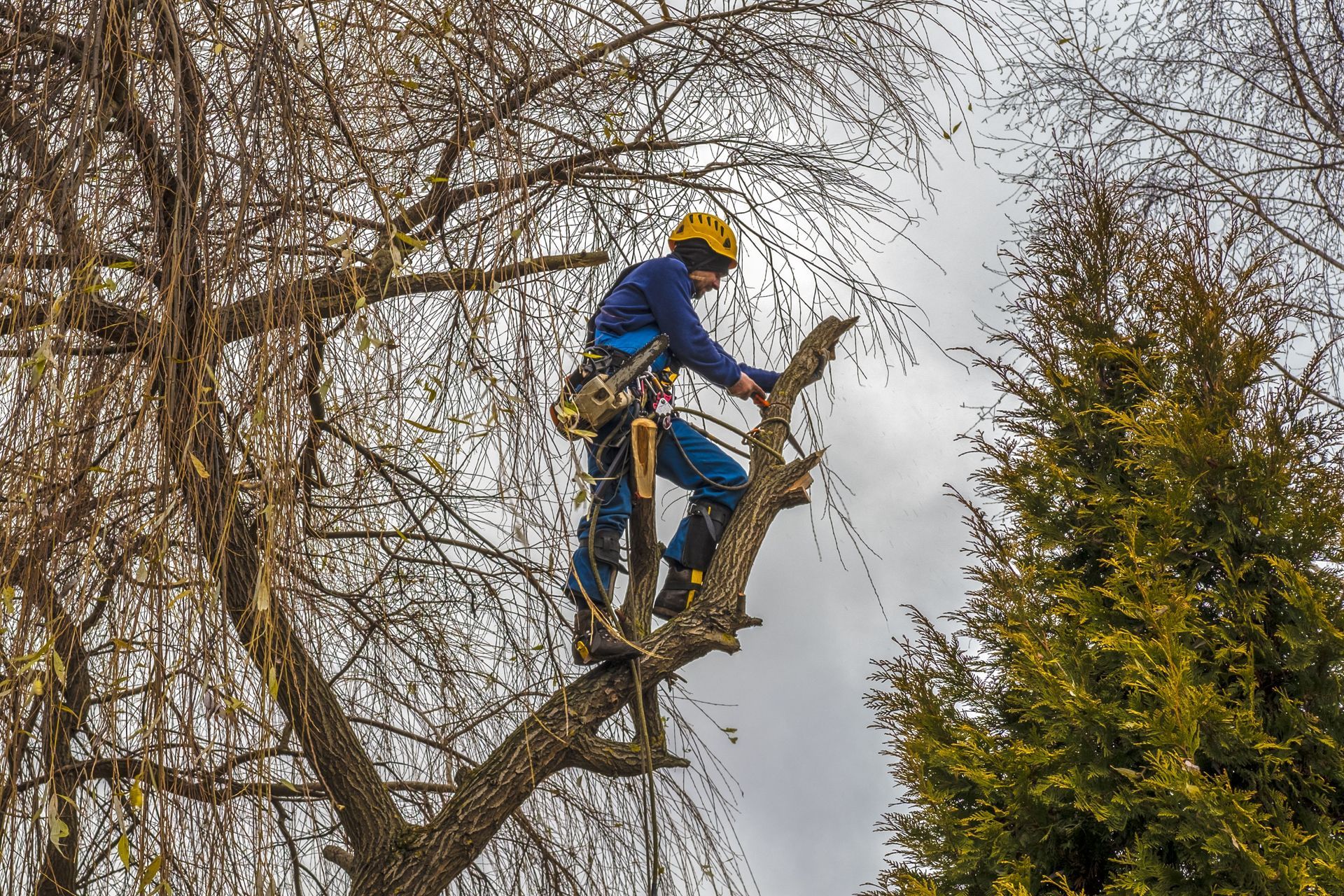
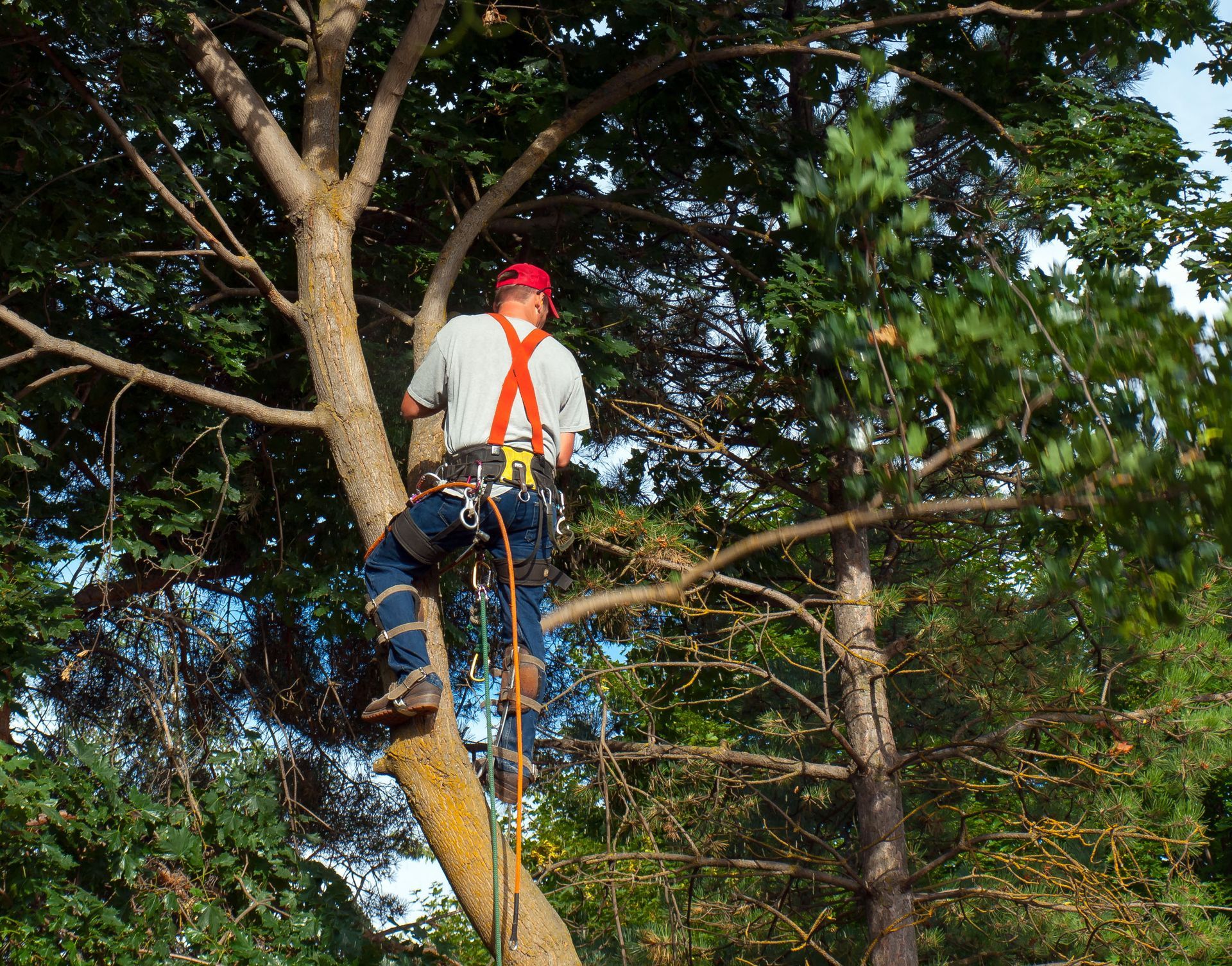
Safety protocols are absolutely paramount when conducting emergency removals in hazardous conditions. The use of specialized protective gear, including helmets, gloves, and climbing harnesses, is essential for the safety of workers on site. Proper planning involves assessing the best cutting techniques to minimize structural hazards, such as determining the natural fall path of a tree. Implementing these strict protocols safeguards both the workers and the surrounding property during the intensive removal process.
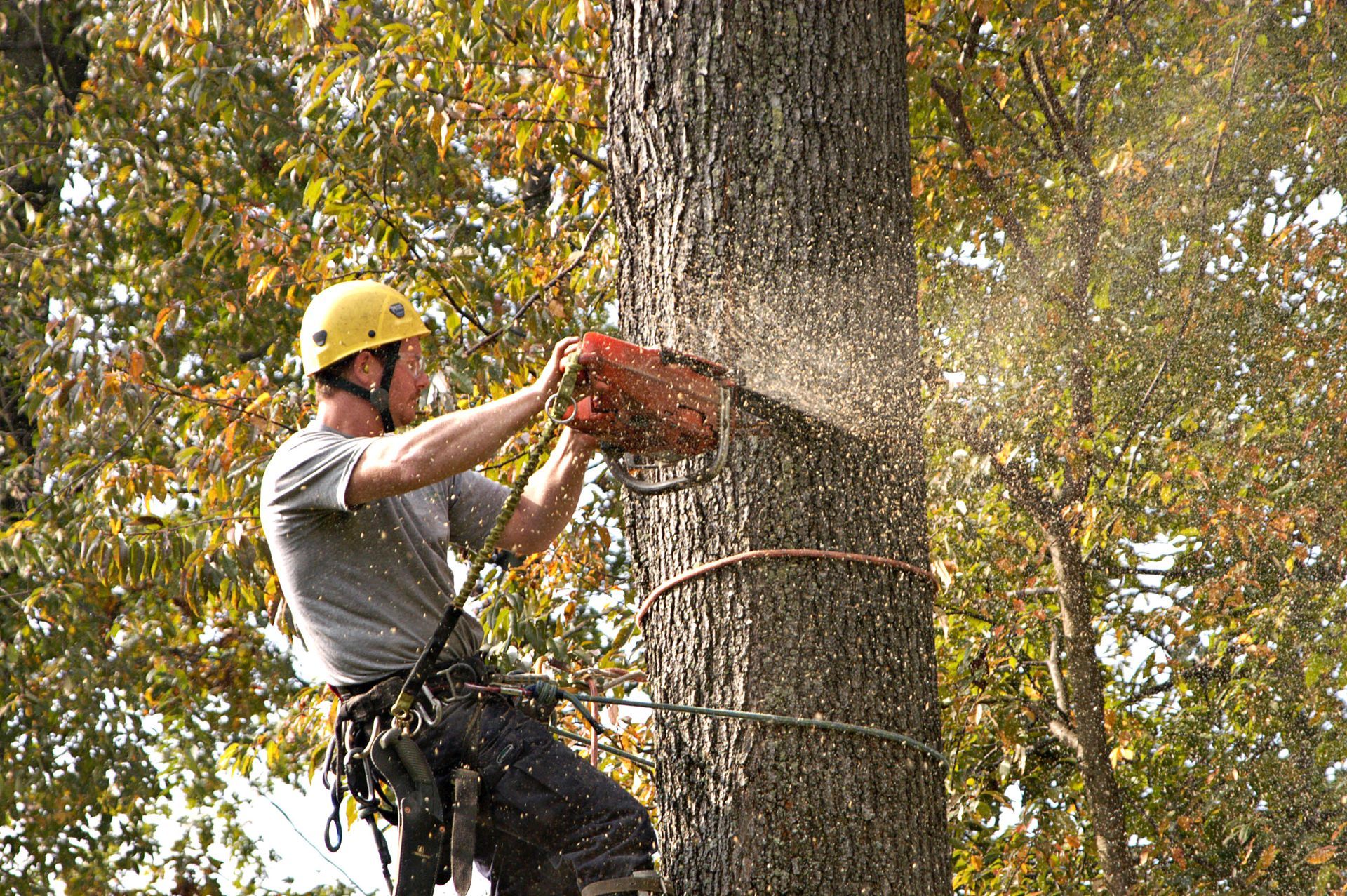
Emergency tree removal requires the use of specialized, heavy-duty equipment to handle complex situations safely and efficiently. Commercial chainsaws are used for cutting through massive branches and trunks, and they come in various sizes depending on the task. Cranes and bucket trucks are regularly employed to reach high limbs and provide stability during the dismantling process. Having the right machinery enables professionals to address storm damage expediently while maintaining the highest safety standards.
Tree removal operations often necessitate close coordination with utility companies, especially when limbs are entangled with live power lines. Arborists must work hand-in-hand with utility personnel to safely manage the removal without causing grid outages or electrical accidents. This collaboration is crucial for ensuring that power lines are completely de-energized before tree removal begins. Effective coordination streamlines the cleanup process and eliminates the deadly hazards associated with damaged utilities.
Debris Removal, Cleanup, and Green Waste
Efficient debris removal involves utilizing several systematic techniques that maximize safety and speed up recovery. Sorting debris into distinct categories like cut wood, branches, and organic leaves is a primary step that simplifies processing. Using commercial chippers helps to convert large quantities of branches into manageable mulch, which can then be repurposed for local landscaping. Integration of manual labor with mechanical loaders ensures thorough and highly successful cleanups.
Safe cleanup operations necessitate the deployment of appropriate tools tailored for heavy debris management post-storm. Rakes and shovels are used for smaller yard debris, while heavy-duty wheelbarrows are essential for transporting bulkier items. Chippers and grinders assist in processing branches and stumps efficiently, transforming potential waste into usable organic material. Proper tool deployment by experienced tree services ensures a safe, rapid, and effective cleanup environment for homeowners.
Handling green waste disposal involves strict compliance with environmental regulations and adopting sustainable recycling practices. Many regions mandate that yard waste be disposed of separately, requiring adherence to local composting or recycling guidelines. Utilizing municipal collection services or contracting specialized disposal companies ensures that waste is managed correctly. Mulching tree debris lessens landfill contributions and creates excellent reusable materials for local gardening projects.
Tree Pruning and Corrective Trimming
Post-storm pruning is essential for the long-term recovery and health of your damaged trees. By addressing broken and weakened branches, homeowners can prevent further decay and encourage natural healing. Pruning removes potential safety hazards, reducing the chance of future injuries or property damage during seasonal storms. Engaging certified arborists for pruning ensures that cuts are made correctly, supporting overall tree health.
Corrective pruning involves employing specific artistic and structural techniques to address stability and aesthetic considerations. Crown thinning removes select branches to reduce weight and improve light penetration within the canopy. Crown raising focuses on removing lower branches to elevate the canopy for property clearance and sidewalk visibility. Selective pruning emphasizes the careful removal of damaged or crossing branches to establish sound form and reduce disease risk.
Strategic pruning is integral to minimizing future storm damage and promoting tree longevity. By regularly thinning canopies and removing deadwood, wind resistance is greatly reduced, lessening the likelihood of branches snapping. Correct pruning also involves eliminating weak branch forks that could easily split under heavy stress. Proactive pruning not only preserves tree health but also prepares your landscape to withstand subsequent storms more resiliently.
Assessing and Treating Tree Health Long-Term
Identifying tree stress and hidden damage post-storm is crucial for making informed treatment decisions. Visible symptoms, such as wilting leaves, canopy discoloration, or brittle branches, are clear indicators of structural stress. Inspecting for physical damage, like internal trunk cracks, helps in evaluating immediate survival chances. A comprehensive assessment by professional tree services can determine the extent of damage and guide appropriate remedial actions.
Assessing soil and root health is fundamental in understanding tree recovery needs after severe flooding or windstorms. Saturated or eroded soil can indicate compromised stability, directly affecting root anchorage and nutrient uptake. Arborists evaluate soil compaction that might affect root expansion and corresponding canopy growth. Testing soil pH and fertility levels assists in guiding nutrient supplementation strategies for rapid recovery.
Preventative Measures and Community Support
Proactive maintenance practices are essential in preparing your landscape to withstand future storm events. Regular inspections and maintenance activities, such as trimming and the removal of deadwood, reduce vulnerability to high winds. Implementing structural anchoring or bracing systems enhances stability for highly susceptible tree species. Engaging in proactive practices allows homeowners to safeguard their property and enjoy beautiful, healthy trees over time.
In conclusion, the role of professional tree services in storm recovery is critical for safeguarding property, ensuring public safety, and preserving natural resources. Homeowners benefit immensely from investing in professional care and maintenance activities that assess risks, manage debris, and enhance tree health post-storm. Preparation, combined with proactive care and smart planning, encourages effective recovery and long-term resilience for your entire property. For more information, contact Highpoint Tree Service.