October 30, 2026
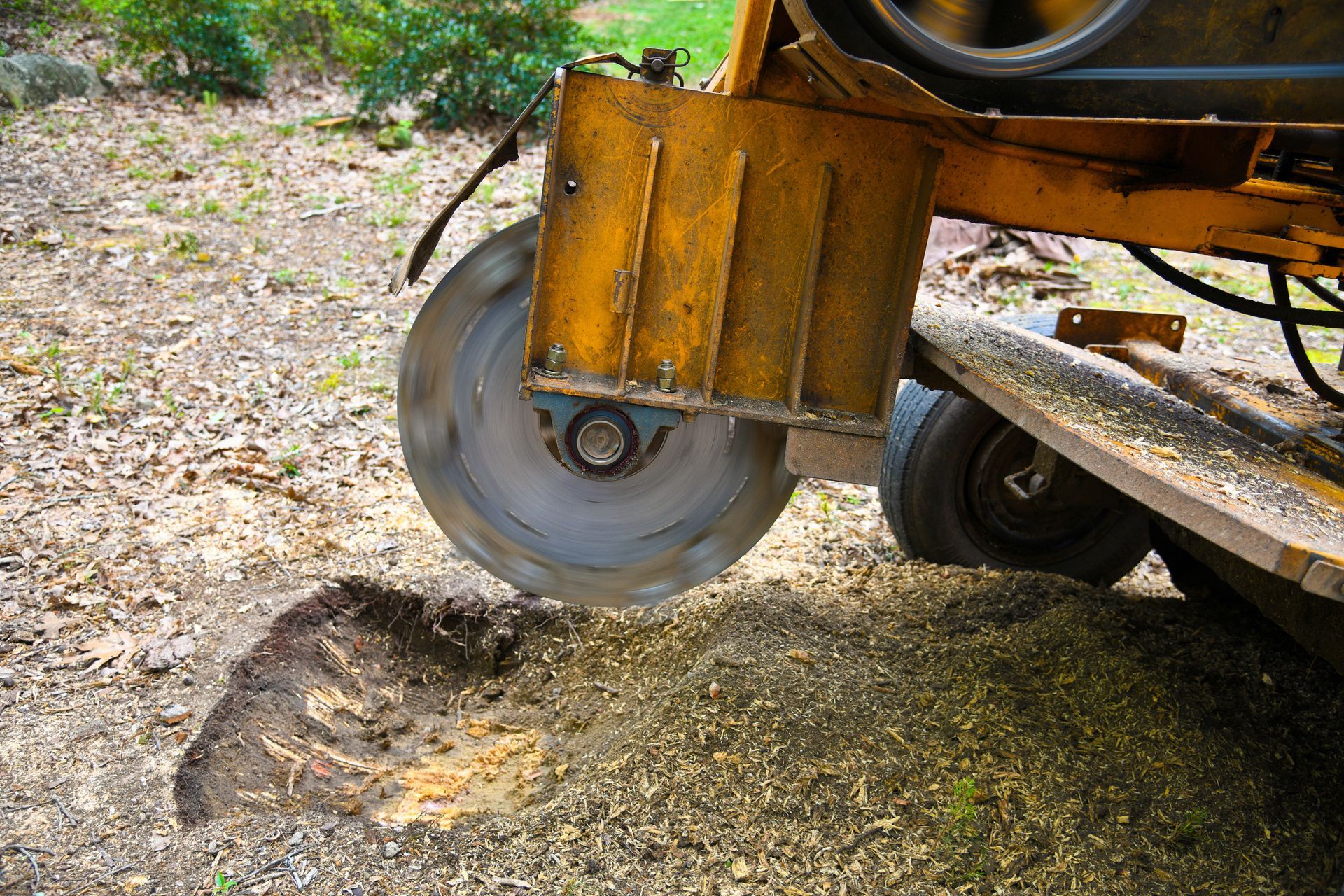
Understanding the importance and intricacies of stump grinding services in safely removing tree roots that extend deep underground is crucial for property management and ecological balance. These services ensure that landscapes remain clear of potential hazards while enhancing the aesthetics of lawns and gardens. While tree removal is a common practice, the stumps left behind pose unique challenges and require specialized equipment and expertise. Furthermore, improper handling of these residues can lead to environmental issues, safety hazards, and legal consequences.
The efficient removal of remnants helps mitigate environmental impacts, promoting healthier landscapes for surrounding vegetation. Tree stumps left to decay naturally can lead to several environmental issues, such as attracting pests like termites and beetles, which can spread to healthy trees and wooden structures. Over time, decaying stumps can also contribute to the spread of fungal diseases, potentially harming nearby plants and trees. Additionally, the presence of these stumps can disrupt the natural flow of rainwater, leading to erosion and soil instability.
Stumps can also undermine the ecological balance by interfering with plant competition dynamics. By occupying valuable space and resources such as nutrients and water, they hinder the growth of new vegetation. This can reduce biodiversity in the affected area, as new trees and plants struggle to establish themselves. Furthermore, undecomposed stumps contribute to biochemical changes in the soil, sometimes increasing acidity levels, which can affect the types of vegetation that thrive there.
Assessing Environmental Hazards Of Leftover Stumps
Tree stumps left to decay naturally can lead to several environmental issues, such as attracting pests like termites and beetles, which can spread to healthy trees and wooden structures. Over time, decaying stumps can also contribute to the spread of fungal diseases, potentially harming nearby plants and trees. Additionally, the presence of these stumps can disrupt the natural flow of rainwater, leading to erosion and soil instability. Furthermore, decomposing tree material can alter the composition of the soil, affecting the growth of surrounding vegetation. Efficient root shredding helps mitigate these environmental impacts, promoting healthier landscapes.
Stumps can also undermine the ecological balance by interfering with plant competition dynamics. By occupying valuable space and resources such as nutrients and water, they hinder the growth of new vegetation. This can reduce biodiversity in the affected area, as new trees and plants struggle to establish themselves. Furthermore, undecomposed stumps contribute to biochemical changes in the soil, sometimes increasing acidity levels, which can affect the types of vegetation that thrive there. Consequently, utilizing stump grinding services serves as an ecological intervention to restore natural land conditions.
Eliminating Safety Risks In Communal Landscapes
Tree stumps are not merely an eyesore; they are safety hazards in residential and public spaces, especially in domains frequented by children and the elderly. These stumps can create tripping hazards, leading to falls and injuries. In more severe cases, unanticipated encounters with hidden stumps during landscaping can result in personnel injury or damage to equipment. Furthermore, during seasonal changes, the stumps often become slippery, increasing the risk for both pedestrians and vehicles navigating the space. Addressing these hazards through effective root shredding ensures the safety of all property users.
The presence of stumps can also impede emergency services, as they may block access routes during urgent situations. The obstruction may limit equipment maneuverability or create additional time wastage in clearing paths, potentially delaying crucial interventions. Moreover, landscapes cluttered with stumps can complicate rescue operations following natural disasters like floods or storms. Strategic land clearing simplifies layout design and promotes unobstructed accessibility for emergency responses. This makes professional root processing a critical component of comprehensive safety planning.
Navigating Legal Mandates And Zoning Compliance
Many local jurisdictions have legal regulations that govern the removal of tree stumps, particularly in urban and suburban areas. These regulations typically focus on maintaining public safety and sustaining the ecological balance of the community space. Non-compliance with these legal mandates can lead to fines or injunctions from local government bodies. Moreover, stump regulations often form part of broader environmental protection statutes that look to control the spread of invasive species and safeguard utility infrastructures. Experienced land managers are well-acquainted with these legal stipulations and offer expertise in ensuring compliance while providing reliable solutions.
Property developers and landscape architects also have to adhere to zoning laws that include stipulations for stump removal. These regulations are especially stringent when new construction or infrastructural development projects are underway. Failure to clear remnants before commencing construction could result in complications during inspections and potential project delays. Additionally, housing associations often have specific guidelines on landscape maintenance, further necessitating compliance with professional upkeep solutions. Hence, engaging licensed professionals ensures adherence to these diverse regulatory frameworks, safeguarding projects from potential legal repercussions.
Unlocking Property Value Through Land Optimization
Leaving tree stumps in place can incur costly consequences over time, draining resources that might otherwise be allocated toward constructive improvements. Stumps can require frequent attention, including pest control measures and periodic removal of secondary growth, raising ongoing maintenance costs. Additionally, improperly managed stumps can depreciate property values, impacting real estate marketability negatively. For properties serving commercial purposes, these obstructions can limit space utility, impairing revenue generation by dissuading potential clients or tenants. Investing in proper root clearing is thus an economically sound decision that prevents these hidden costs from accumulating.
Gradual erosion and unusable land surfaces are often overlooked yet significant costs associated with tree stumps. The presence of stumps hampers the full utilization of landscape potential, limiting functional aspects such as gardening, recreation, or development projects. This underutilization translates into opportunity costs, diminishing the land's economic value. Emergency tree services and tree felling, which include stump removal, account for approximately 24% of the tree removal and trimming industry, according to Simple Spring, illustrating the substantial economic focus placed on effective stump handling. By employing stump grinding services, property managers can unlock the full profitability of their land investments, leveraging value addition strategies through effective space management.
Enhancing Aesthetic Appeal Through Landscape Renewal
Enhancing the visual appeal of landscapes serves as both a personal and a community-centric objective. Tree stumps detract from the natural beauty of a well-maintained environment, often contrasting unfavorably with manicured settings. By offering a clean and polished appearance, root removal multiplies the aesthetic benefits of gardens, parks, and public green spaces. Integrating these areas seamlessly adds to the overall ambiance, improving the space's utility for leisure and recreational activities. Consequently, professional remnant removal becomes an instrumental aspect of landscape architecture and ornamental design.
Visual continuity is crucial in achieving aesthetic coherence; tree stumps interrupt this continuity, drawing attention away from aesthetically pleasing elements. Within residential backyards, stumps can disrupt the flow of thematic gardening designs, causing aesthetic inconsistencies. Commercial locations, such as event venues or parks, also experience diminished appeal and reduced foot traffic, as patrons are attracted to visually engaging spaces. By removing these uninviting features, strategic land preparation facilitates a cohesive visual narrative throughout landscaped areas, ensuring maximum attractiveness and an inviting atmosphere. Hence, clients invest in expert solutions to achieve optimal aesthetics.
Effective land management requires proactive solutions to eliminate underground obstructions, protect surrounding ecosystems, and elevate overall property aesthetics. Leftover remnants create unnecessary safety hazards, foster pest infestations, and lead to significant financial underutilization over time. Investing in proper land clearing allows property owners to fully maximize their acreage, maintain compliance with local regulations, and enjoy seamless outdoor visual continuity. Engaging professional
stump grinding services ensures that deep underground root networks are completely destroyed with speed and precision.
Transforming damaged or cluttered outdoor spaces into pristine, highly functional property starts with choosing the right industry experts. By partnering with Highpoint Tree Service, landowners gain access to top-tier equipment, experienced operators, and complete landscape restoration strategies designed to protect long-term land values. Eliminating stubborn roots and buried obstacles has never been easier or more reliable. Contact us today to schedule a comprehensive site evaluation and discover how expert care can revitalize outdoor spaces safely and efficiently.