September 29, 2026
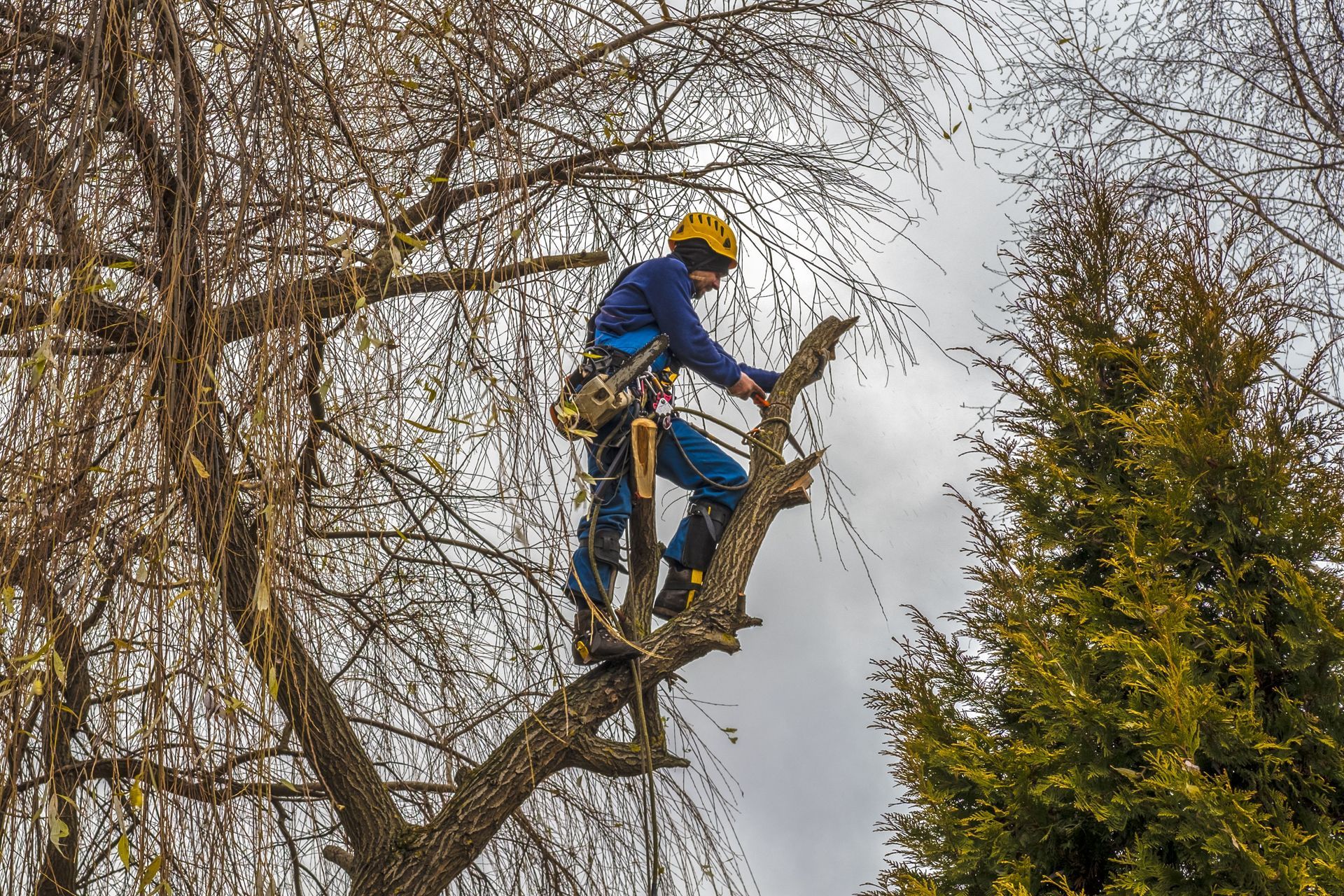
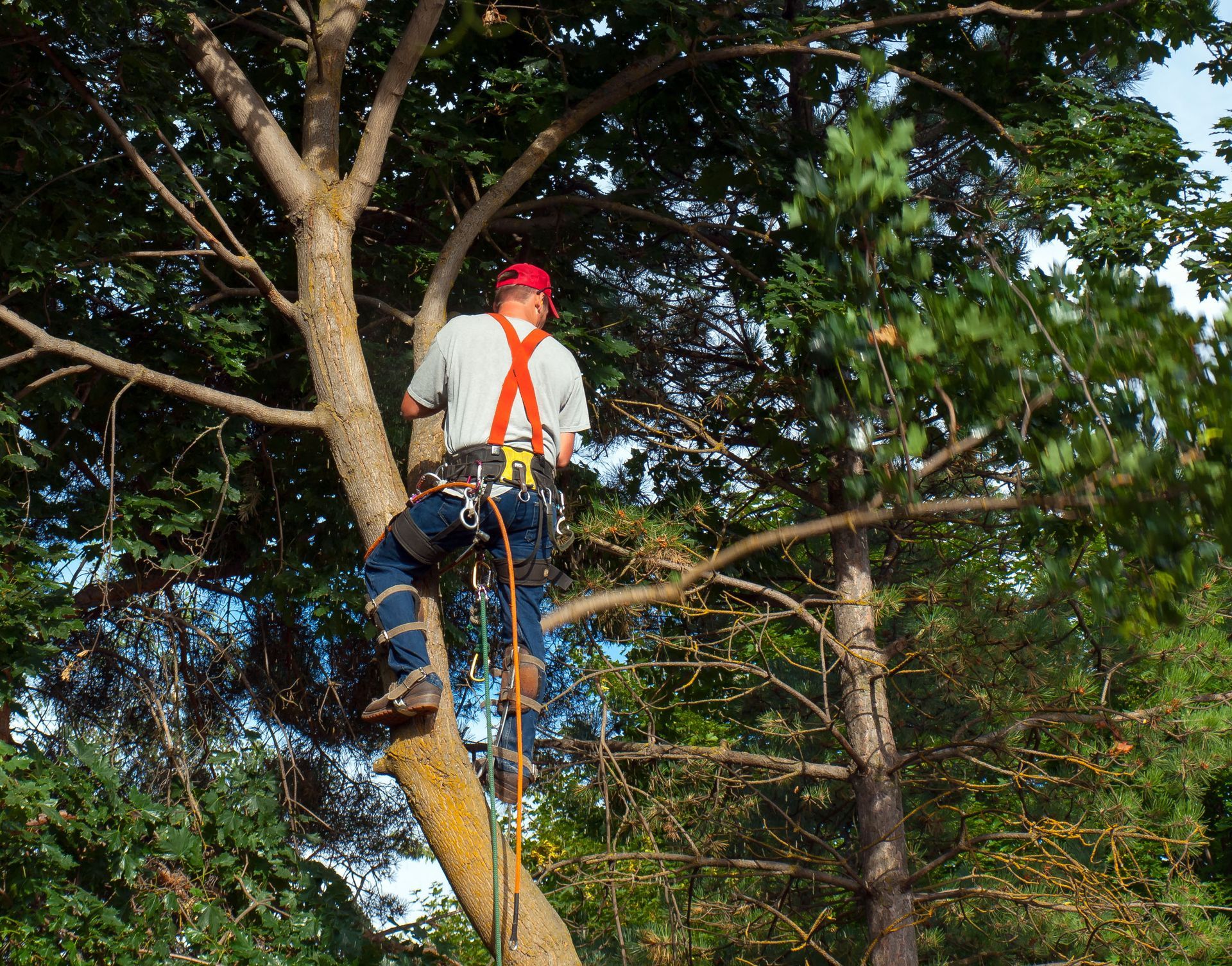
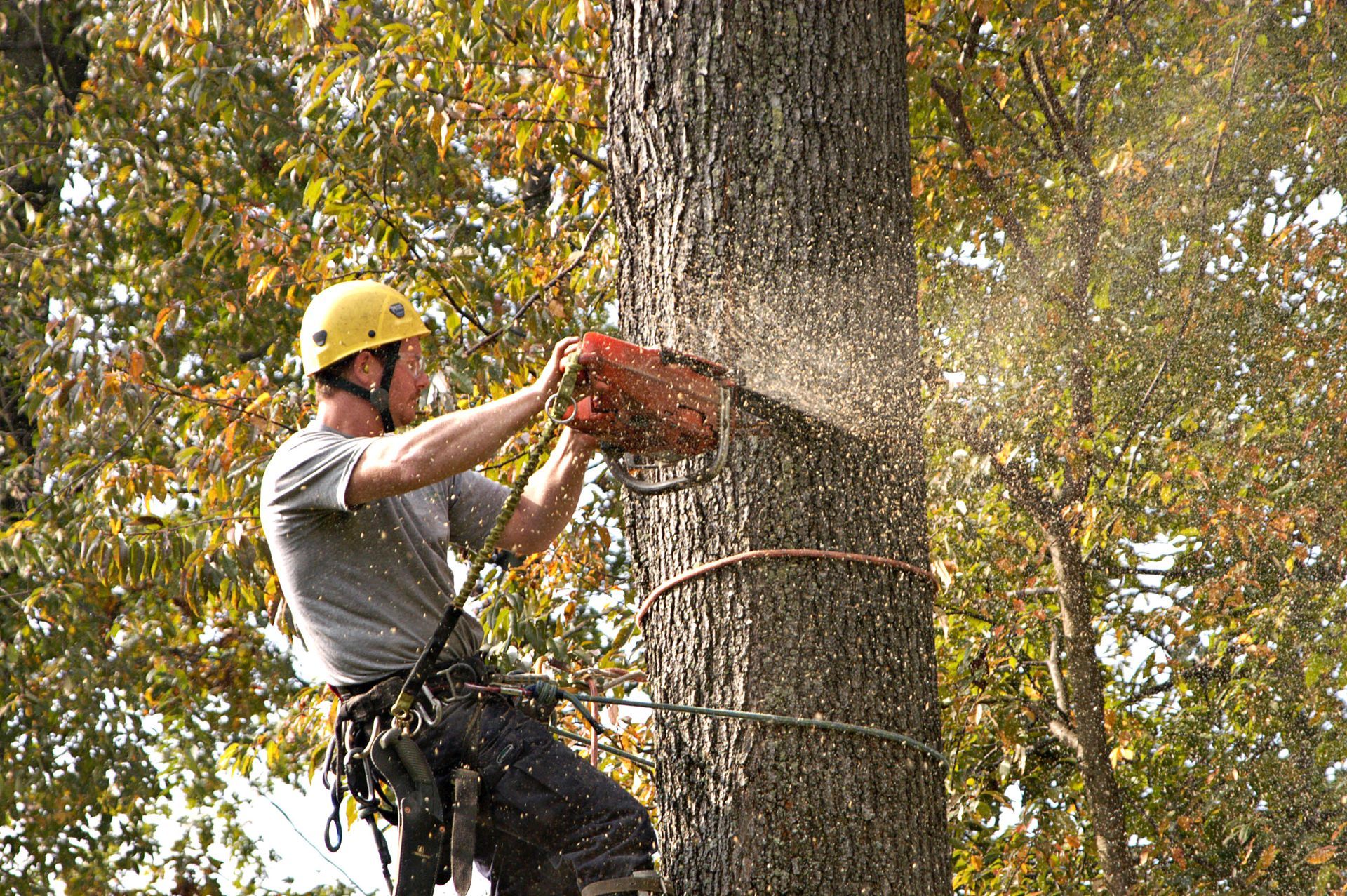
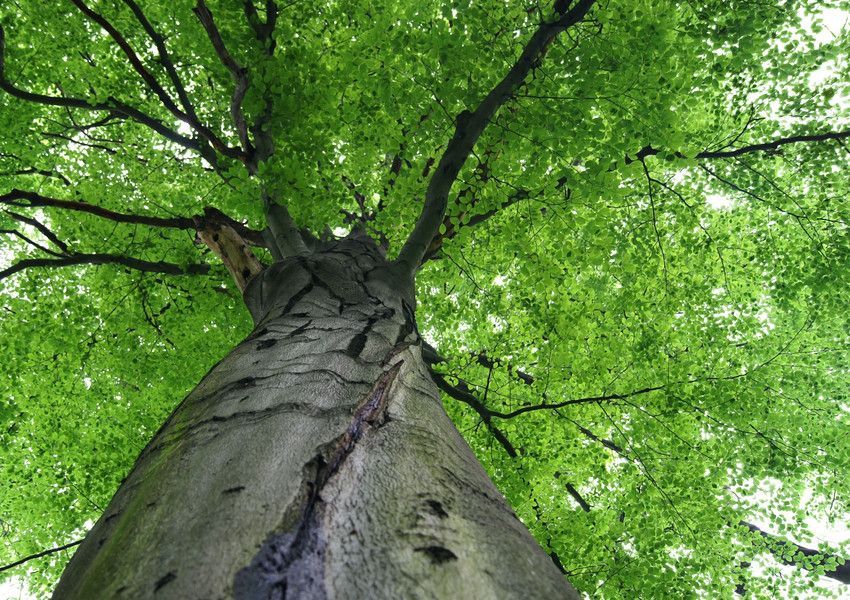
Trees are vital components of our ecosystem, providing oxygen, improving air quality, conserving water, preserving soil, and supporting wildlife. Regular health assessments help ensure that trees remain healthy and continue providing these essential benefits. Tree care professionals play a crucial role in health management by identifying potential risks, diagnosing diseases, and recommending treatments that preserve tree health and safety. Routine evaluations can also uncover subtle changes that property owners might overlook until a problem becomes more difficult or expensive to address. Large trees can pose significant threats to nearby structures and people if they are not properly maintained. A certified arborist is equipped with the knowledge and tools necessary to identify signs of deterioration that may lead to hazardous situations. Expertise in evaluating structural integrity, growth patterns, and environmental conditions is critical to preventing accidents and supporting the well-being of communities. A thorough assessment can help determine whether pruning, treatment, monitoring, or removal is the most appropriate course of action. A comprehensive tree health assessment examines much more than visible branches and leaves. Professionals consider the entire tree, including its roots, trunk, canopy, surrounding soil, and growing environment. Looking at these interconnected factors provides a clearer understanding of current health and helps anticipate problems that could develop over time.
1. Visual Inspection and Analysis
The initial step in a tree health assessment typically involves a detailed visual inspection. A certified arborist looks for symptoms such as abnormal leaf discoloration, unusual growths, branch dieback, cracks, cavities, fungal growth, and changes in bark condition. Mushrooms or other fungi near the base may indicate internal decay or root problems that deserve further investigation. Recognizing these warning signs early can make it possible to address certain problems before they spread or substantially weaken the tree.
Leaves are particularly useful indicators because changes in their color, size, density, or formation can reveal underlying stress. Yellowing, browning, premature leaf drop, delayed budding, or unusually sparse foliage may point to nutrient deficiencies, water stress, pest activity, disease, or environmental problems. Professionals consider the tree species and season when interpreting these symptoms because normal appearance and growth patterns vary considerably among different types of trees.
Bark condition is another important part of the visual examination. Cracking, peeling, cankers, wounds, holes, and unusual discoloration may reveal disease, pest activity, mechanical injury, or environmental stress. Some species naturally shed bark, so an accurate assessment requires knowledge of what is normal for the particular tree. When surface observations are not sufficient, additional diagnostic techniques may be used to investigate suspected internal damage.
2. Structural Integrity and Safety
Evaluating structural integrity helps determine whether a tree or one of its major branches could present a safety concern. Professionals inspect trunk strength, branch attachments, canopy balance, cavities, cracks, splits, and the tree's anchoring in the ground. Weak branch unions, extensive decay, or substantial deadwood can increase the likelihood of failure, particularly during storms or periods of high wind.
When necessary, a certified arborist may use specialized diagnostic tools to gather more information about internal wood condition. Testing can help identify hollow areas, decay, or structural weaknesses that cannot be fully evaluated from the exterior. According to HomeGuide, professional evaluation for potential removal is particularly important when a tree has severe trunk damage or when dead branches make up more than 50% of its canopy. The objective of an assessment is to understand the level of risk and determine what management approach is appropriate for the site.
Location also matters when assessing structural risk. A weakened tree beside a home, driveway, sidewalk, playground, utility line, or frequently occupied area may require different management than a comparable tree in an isolated location. Evaluating both the likelihood of failure and what could be affected allows professionals to develop practical recommendations that account for the surrounding property.
3. Root Zone and Soil Conditions
Roots are fundamental to tree stability, water absorption, and nutrient uptake, yet much of the root system remains hidden underground. Professionals examine visible roots, the root flare, surrounding grade, and soil conditions for evidence of problems. Girdling roots can restrict normal growth, while damaged or decaying roots may weaken anchorage. Excess soil or mulch piled against the trunk can also create conditions that negatively affect long-term health.
Soil compaction is another common concern, particularly in urban and developed environments. Foot traffic, vehicles, construction equipment, and landscaping activities can compress soil and reduce the pore space available for water and oxygen. Restricted soil conditions can make it difficult for roots to expand and obtain the resources needed for healthy growth. Depending on the circumstances, aeration, mulching, or other soil-management techniques may help improve the growing environment.
Drainage is equally important. Soil that remains saturated for extended periods can limit oxygen availability around roots and create favorable conditions for certain pathogens. On the other hand, excessively dry soil can contribute to drought stress and canopy decline. Understanding how water moves through the landscape helps professionals recommend irrigation or drainage adjustments that support healthier root systems.
4. Soil Nutrition and pH Evaluation
Soil provides many of the nutrients trees need for growth, defense, and normal physiological functions. When deficiencies are suspected, soil or foliage testing can provide valuable information about nutrient availability. Nitrogen, phosphorus, potassium, and various micronutrients all contribute to tree health, but adding fertilizer without understanding existing conditions may be unnecessary or counterproductive.
Soil pH also influences how effectively roots can access nutrients. Different species perform best within particular pH ranges, and soil that is excessively acidic or alkaline can limit the availability of essential elements. Testing allows tree care professionals to identify imbalances and recommend appropriate amendments when needed. Any adjustments should generally be approached carefully because significant changes to soil chemistry occur gradually.
Organic matter and biological activity also contribute to productive soil. Decomposing plant material, microorganisms, and other soil organisms support nutrient cycling and can improve soil structure. Proper mulching and the addition of suitable organic materials may help retain moisture, moderate soil temperatures, and create a more favorable environment for roots.
5. Pest and Disease Diagnosis
Pests and diseases can produce symptoms ranging from minor cosmetic damage to significant decline. A certified arborist examines foliage, bark, branches, and roots for evidence such as feeding damage, exit holes, frass, unusual growths, cankers, fungal structures, and premature dieback. Because different problems can create similar symptoms, accurate identification is important before selecting a treatment.
When a visual examination cannot confirm the cause, samples of leaves, bark, soil, insects, or affected tissue may be collected for further analysis. This diagnostic process can help distinguish between insect damage, fungal infection, environmental stress, and nutrient-related disorders. Identifying the underlying cause reduces the likelihood of treating symptoms while overlooking the actual problem.
Integrated pest management may also be considered when pest populations require intervention. This approach emphasizes monitoring and targeted controls while limiting unnecessary treatment. Depending on the pest and severity of the infestation, management could involve cultural practices, pruning, biological controls, or carefully selected treatment products.
Working with a certified arborist can also help establish a long-term care strategy rather than responding only when obvious problems arise. Regular inspections, appropriate pruning, responsible soil management, and timely intervention can support stronger trees and safer landscapes. With consistent attention, healthy trees can continue contributing shade, beauty, wildlife habitat, environmental benefits, and lasting value to residential and community spaces. Contact Highpoint Tree Service today and learn more about our reliable tree services.