October 29, 2026
Trees enhance residential properties by providing shade, improving air quality, increasing curb appeal, and creating vibrant natural ecosystems. However, when a tree becomes severely diseased, structurally compromised, or dangerously close to utility lines and home foundations, removing it becomes necessary to protect surrounding property and human safety. Selecting the correct strategy for felling or dismantling a tree requires careful evaluation of species, height, lean, proximity to structures, and surrounding terrain. Understanding professional arboricultural techniques ensures that hazard mitigation occurs safely, efficiently, and with minimal impact on nearby landscape features. Proper land stewardship involves knowing when to safely extract hazardous timber and when to replant suitable native species for long-term canopy health. According to the Arbor Foundation, four out of ten Americans indicate they would be more inclined to plant a tree if provided with additional information about the planting process. Learning the primary techniques used in modern professional tree removal helps property owners make informed decisions when managing mature timber on their land.
Conducting Preliminary Site Assessments and Hazard Identifications
Before initiating any heavy extraction work, certified arborists perform thorough property evaluations to establish safe operational parameters. Technicians inspect the target specimen for internal decay, structural trunk cracks, hollow cavities, root rot, and severe limb imbalances. Mapping overhead utility lines, adjacent roof structures, fences, and subterranean septic systems determines the allowable drop zone or machinery placement. Assessing natural tree lean and localized wind patterns allows crews to predict gravitational forces accurately during dismantling. Obtaining necessary municipal permits and verifying local tree preservation ordinances ensures that extractions comply with environmental regulations. Investing time in detailed preliminary planning eliminates unexpected structural hazards and sets the stage for smooth, controlled tree removal operations.
Executing Traditional Directional Felling for Open Spaces
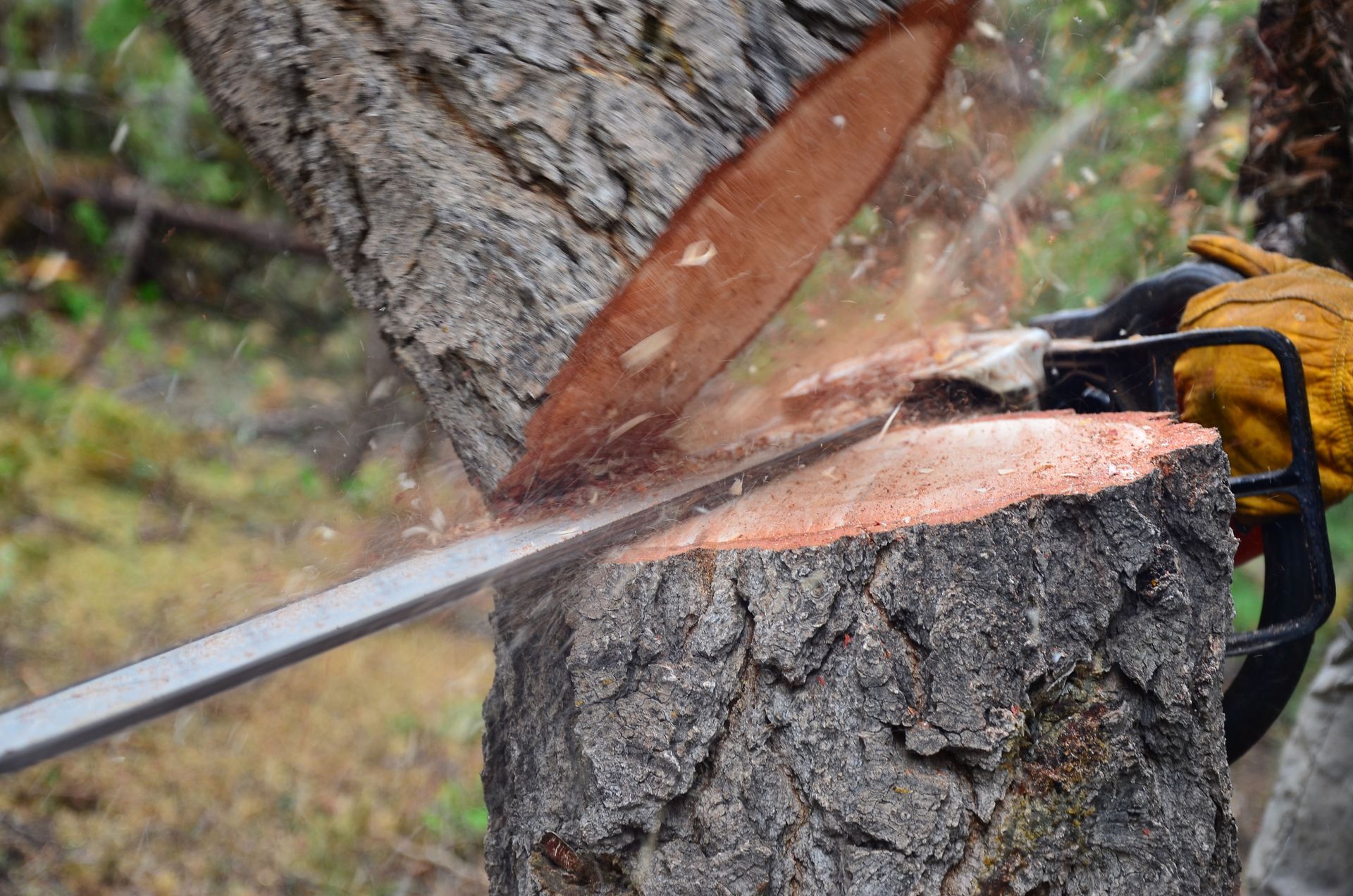
Directional felling is a classic extraction method reserved primarily for spacious properties where trees can fall completely to the ground without hitting structures or utility lines. Saw operators cut a precise notch, also known as a directional face cut, on the side of the trunk facing the intended fall direction. A straight back cut is then made slightly above the notch hinge, releasing trunk tension and allowing gravity to pull the tree downward cleanly. Guide ropes and mechanical winches are frequently attached high in the canopy to pull the tree along its intended flight path safely. While directional felling requires minimal heavy machinery, it demands exceptional chainsaw control and accurate trajectory calculation. Utilizing traditional directional felling provides a rapid, cost-effective solution for clearing timber during rural land development and large-scale tree removal projects.
Utilizing Sectional Dismantling and Manual Rigging Techniques
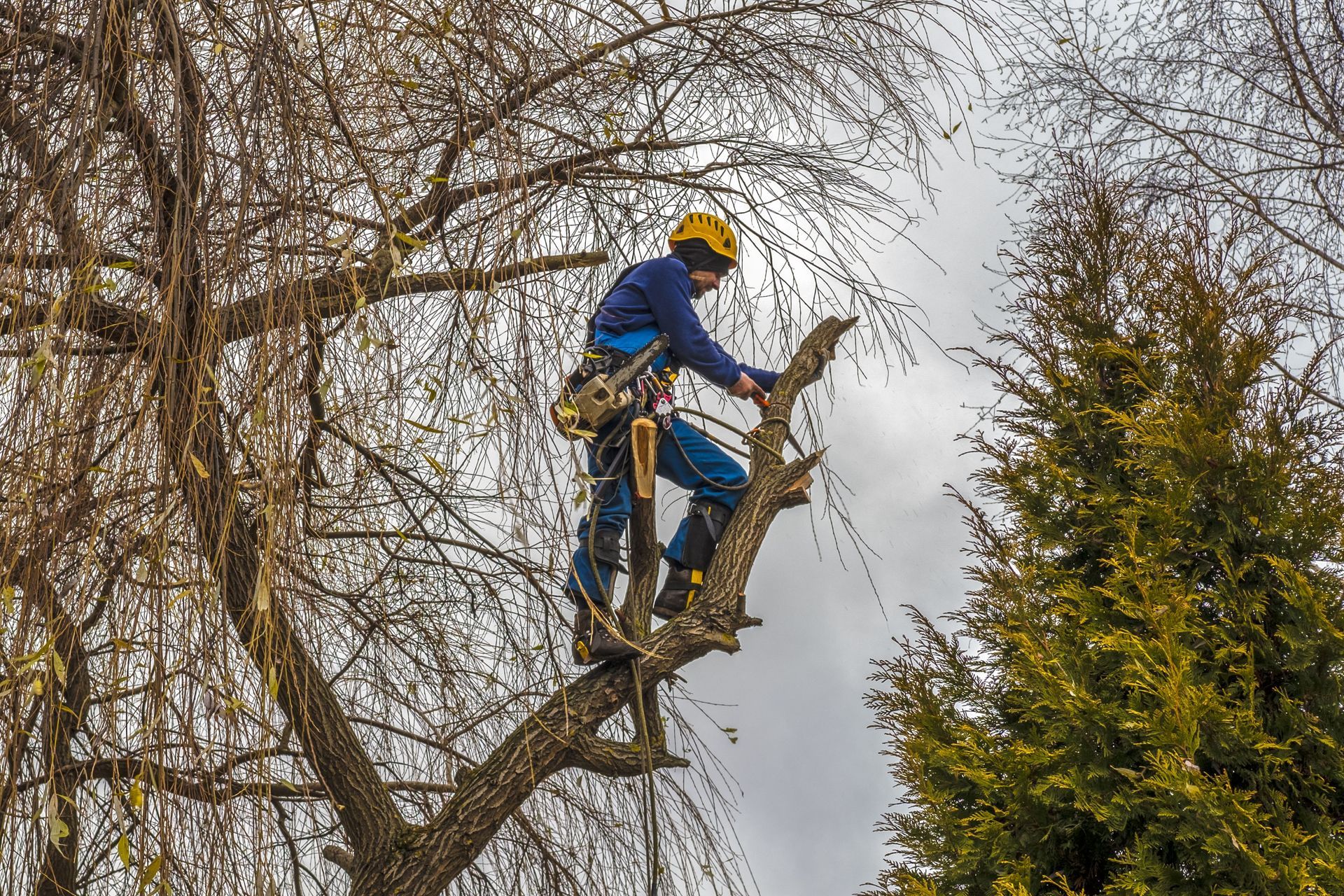
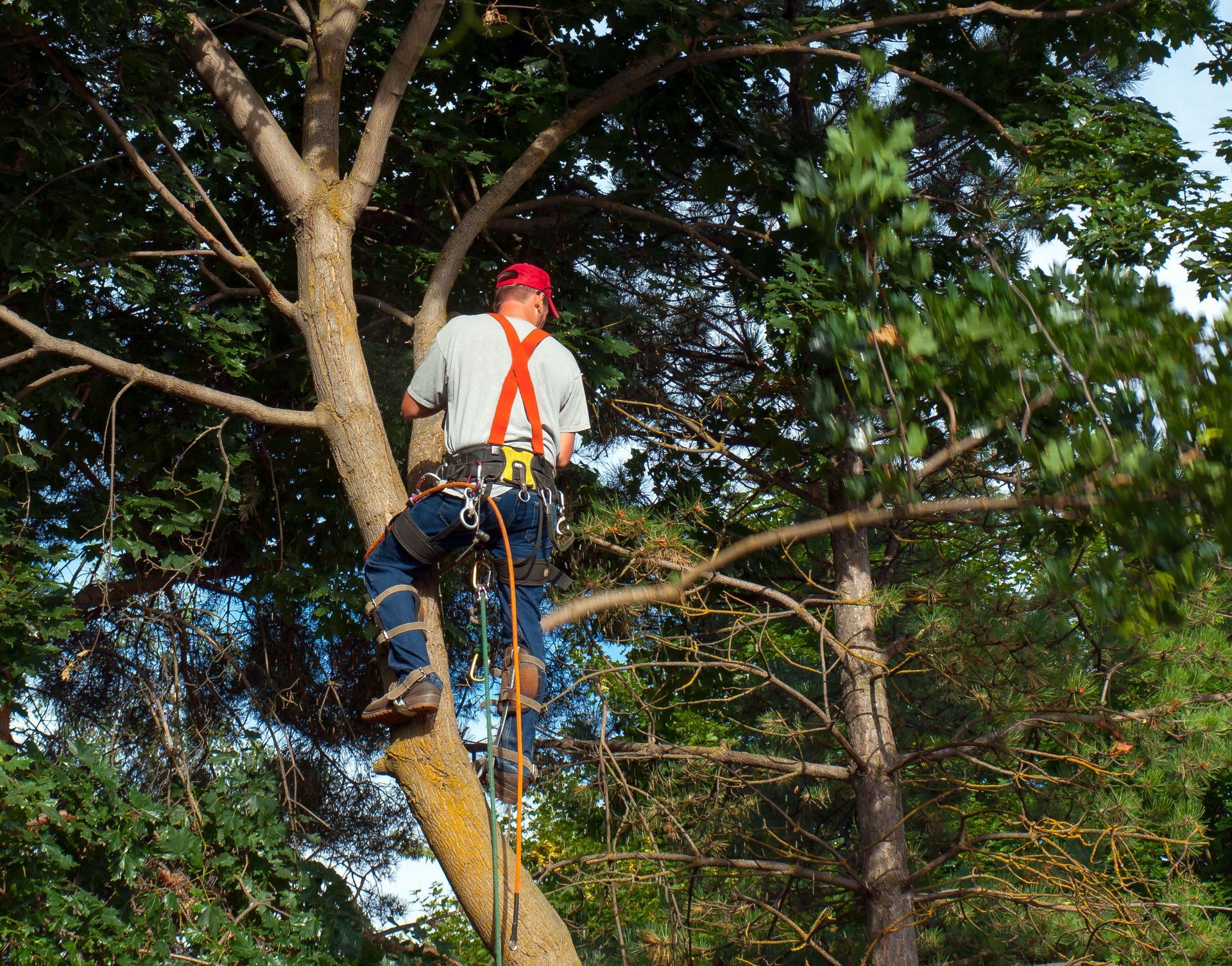
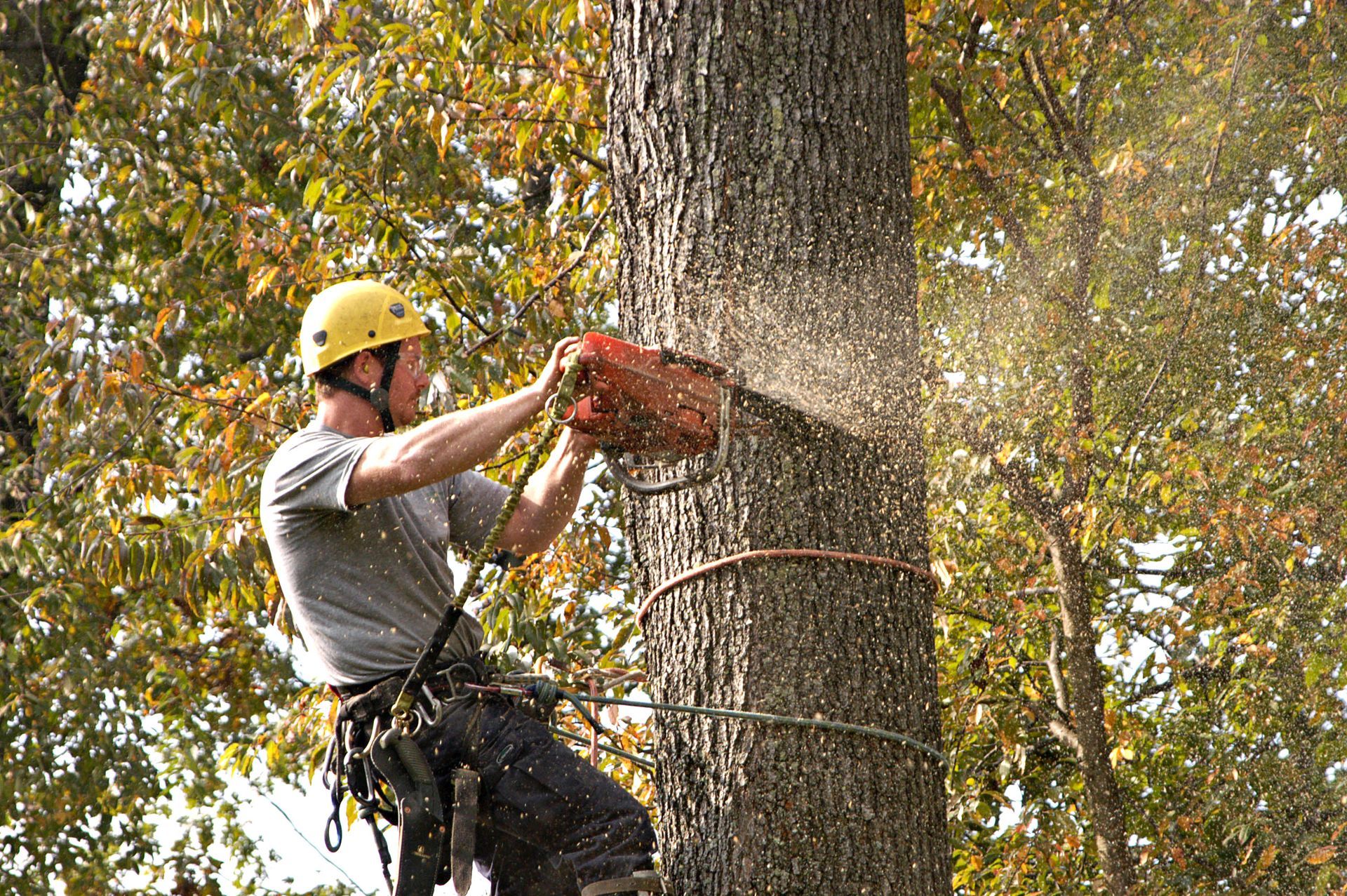
When a hazardous tree stands in tight residential quarters surrounded by homes, power lines, or delicate landscaping, traditional directional felling becomes far too risky. Arborists employ sectional dismantling, climbing the tree to remove branches and trunk sections from the top down. Climbers utilize specialized rigging systems comprising heavy-duty ropes, friction brakes, pulleys, and carabiners to lower heavy limbs safely to the ground. Small branch sections are systematically pruned, tied off, cut, and lowered slowly by ground crews stationed below. Cutting the main trunk into manageable logs, known as sectioning or bucking, prevents heavy impacts from damaging surrounding turf or subterranean utilities. Masterful sectional dismantling represents one of the most precise and controlled methodologies utilized during technical tree removal.
Deploying Heavy Crane Machinery for Complex Extractions
For massively overgrown trees, severely decayed trunks, or specimens leaning precariously over residential roofs, heavy crane assistance offers unmatched control and safety. A mobile crane stabilizes adjacent to the work area, extending its boom directly over the upper canopy. Tree care specialists attach heavy nylon slings or steel cables from the crane hook to targeted upper limbs or trunk sections before cuts are executed. Once the chainsaw operator completes the cut, the crane operator lifts the suspended section vertically into the air and transfers it to a designated drop zone in a parking area or street. Crane-assisted extraction eliminates ground impact forces entirely, preventing structural damage to surrounding home foundations and driveways. Deploying specialized crane equipment transforms extremely high-risk tree removal tasks into smooth, predictable engineering operations.
Performing Hydraulic Grapple Saw Extractions for Extreme Hazards
In scenarios where a tree is structurally unstable or too dangerous for an arborist to climb safely, specialized grapple saw trucks provide an advanced automated solution. These mechanized units feature long telescopic booms equipped with heavy hydraulic grapple arms and integrated chain saws at the tip. The operator controls the boom remotely from the ground, clamping the grapple securely around a upper branch section before the integrated saw cuts through the wood. The boom then lowers the severed section smoothly to the ground without requiring human climbers to enter a hazardous canopy. Grapple saws operate efficiently along roadside corridors, utility easements, and storm-damaged properties where hanging limbs pose severe crush risks. Leveraging automated grapple saw technology maximizes worker safety during high-hazard tree removal jobs.
Implementing Root System Excavation and Underground Barrier Extraction
Extracting a tree safely involves more than just removing aboveground trunk and branch mass; subterranean root systems can present significant challenges of their own. Invasive root structures can intrude into sewer lines, buckle concrete driveways, weaken retaining walls, and threaten nearby home foundations. Arborists and excavation crews utilize air spades, mechanical trenchers, and backhoes to carefully expose major lateral roots without damaging adjacent municipal utility infrastructure. Severing and extracting stubborn taproots prevents unwanted future stump sprouting and stabilizes the soil profile for future construction or landscaping. Removing deep root structures ensures that underground cavities are properly backfilled and compacted to prevent localized ground settling. Managing subsurface root systems completes a comprehensive tree removal strategy by protecting surrounding hardscapes from long-term displacement.
Grinding Stumps and Restoring Soil Substrates
Completing a tree extraction requires addressing the leftover stump and root flare protruding from the landscape. Leaving a raw stump behind creates unsightly lawn obstacles, attracts wood-boring insects such as termites and carpenter ants, and produces unwanted sucker growth. Professional crews utilize high-powered stump grinders featuring rotating steel wheels studded with carbide teeth to pulverize wood down several inches below ground level. The resulting mixture of wood chips and soil can be excavated or used as organic mulch across garden beds. Backfilling the remaining hole with fresh topsoil and leveling the surface allows property owners to reseed turf grass or plant new vegetation. Comprehensive stump grinding provides the essential final touch after completing primary tree removal operations.
Managing Debris Processing and Sustainable Wood Recycling
The volume of organic material generated during major timber extractions requires efficient processing, haul-away, and environmental disposal strategies. Heavy-duty brush chippers instantly process branches and small foliage into uniform wood chips suitable for municipal mulching programs or ground cover. Main trunk logs are bucked into manageable lengths for firewood splitting, commercial lumber milling, or biomass fuel production. Responsible arboricultural firms prioritize recycling green waste to divert organic material away from local landfills and support urban forestry sustainability. Transforming timber debris into valuable landscape mulch or wood products minimizes environmental waste following large-scale extractions. Efficient cleanup and debris recycling ensure your property is left immaculate once professional tree removal services conclude.
Managing mature timber on residential property requires balancing natural aesthetics with structural safety and hazard prevention. Whether utilizing traditional directional felling in open yards, precision sectional dismantling in tight urban quarters, or heavy crane assistance for massive specimens, selecting the appropriate extraction technique protects your home and surrounding environment. Proper stump grinding and debris recycling finish the process, leaving your lawn clean, level, and ready for future landscape improvements. Working with certified, fully insured arborists ensures every project adheres to strict industry safety standards and local municipal regulations. Evaluating property hazards proactively guarantees that your outdoor space remains safe, functional, and visually appealing for years to come. Contact Highpoint Tree Service today to schedule your professional property assessment and safely manage the trees on your land!