August 28, 2026
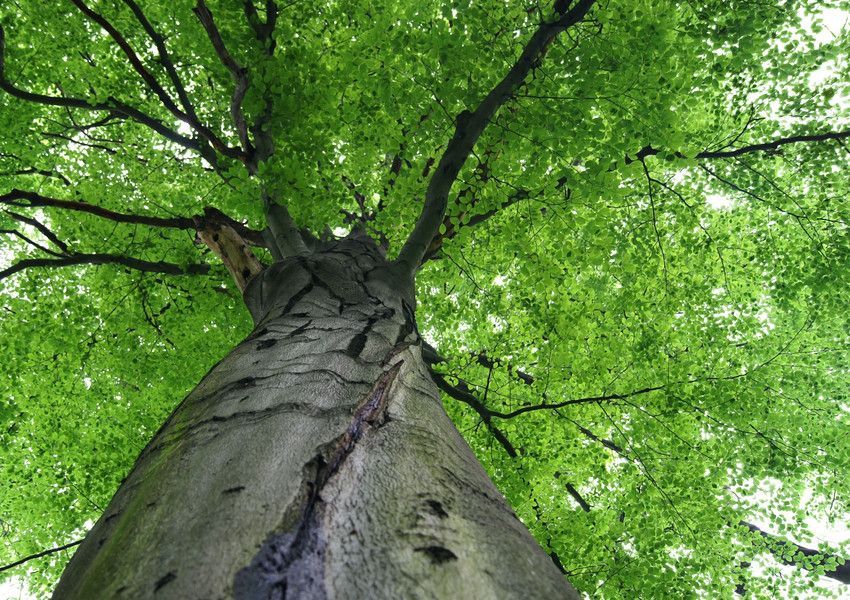
Trees form an essential, breathtaking component of residential landscapes, providing vibrant shade, enhancing property values, and contributing to the overall ecological health of surrounding neighborhoods. Mature oak branches, towering pines, and ornamental flowering trees offer natural beauty while cooling homes during sweltering summer months and filtering urban air pollutants. However, maintaining the health, structural stability, and safety of large yard trees requires continuous care, professional oversight, and specialized technical knowledge. Neglecting routine arboricultural maintenance can turn majestic landscape assets into dangerous property hazards during severe storm events, high winds, or unexpected pest infestations. Fallen branches, compromised root systems, and decaying trunks pose significant risks to roof structures, power lines, parked vehicles, and family safety. Understanding the full scope of professional arboricultural care allows property owners to manage their residential canopy proactively, addressing subtle health declines and structural flaws before catastrophic failures occur. Partnering with certified arborists who offer comprehensive tree services guarantees that your landscape remains healthy, visually stunning, and structurally secure through every season. Investing in expert canopy care preserves long-term home equity while allowing families to enjoy their outdoor living environments with complete peace of mind.
Trimming Overgrown Canopies
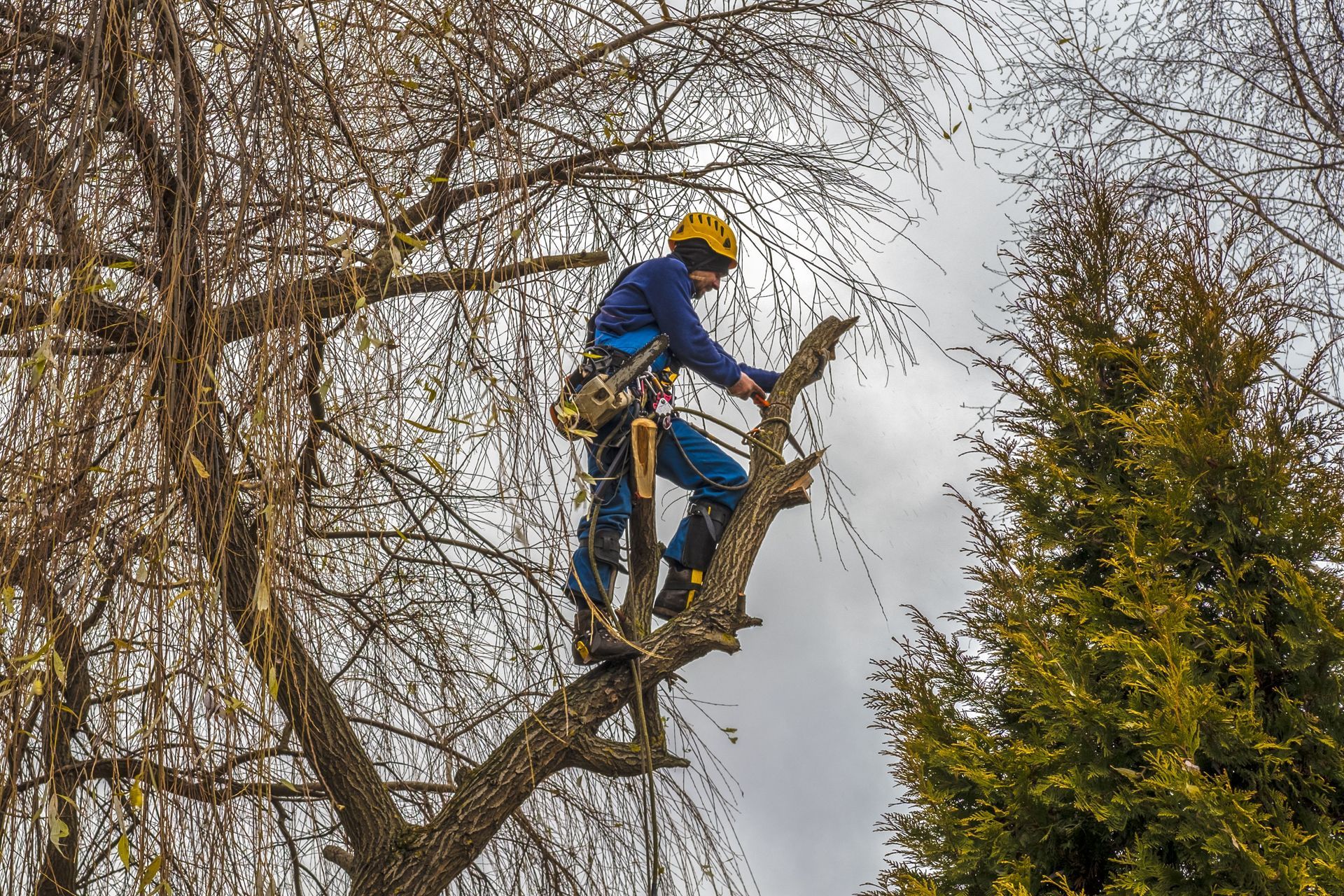
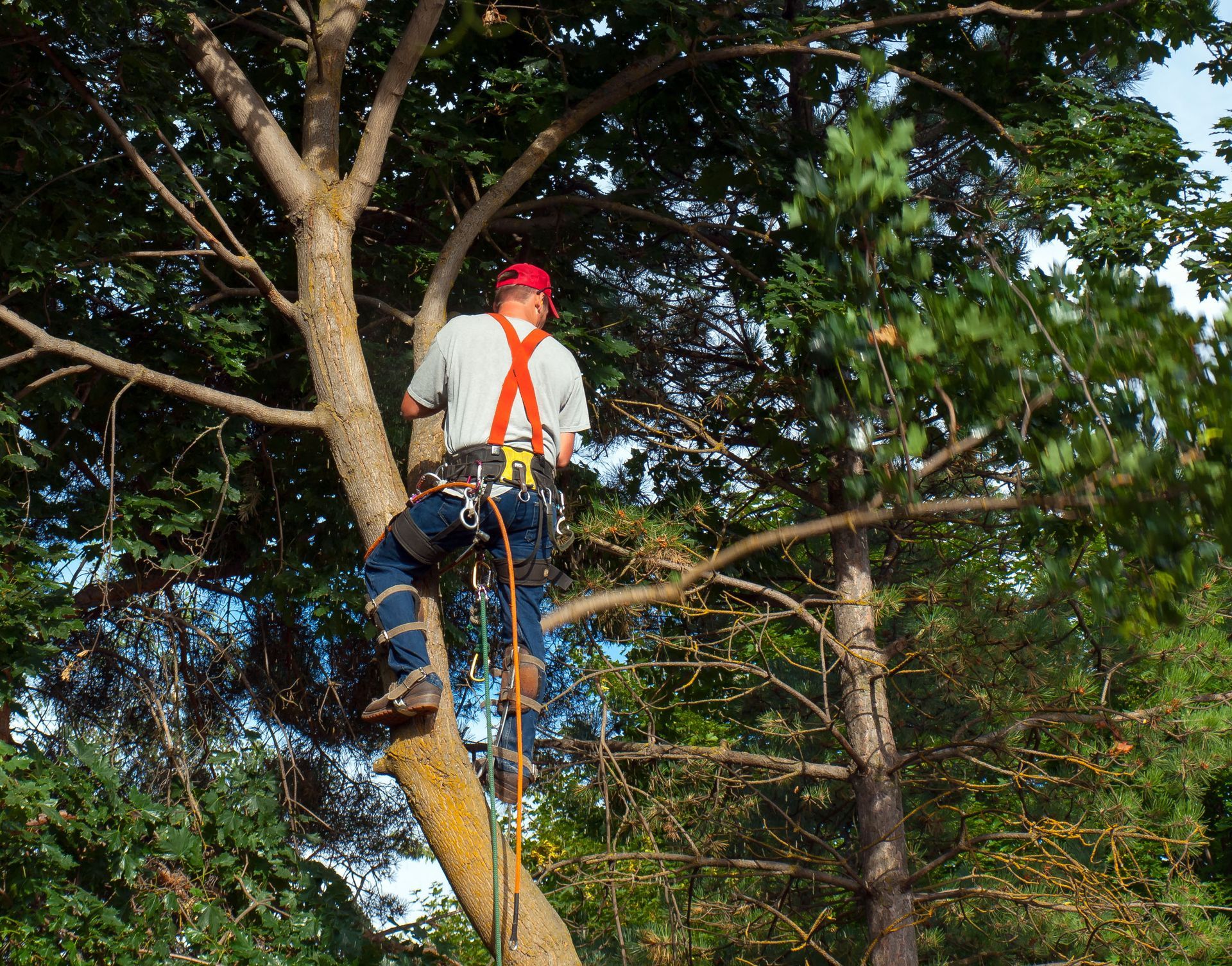
Pruning and trimming overgrown branches forms the foundational core of routine tree maintenance, ensuring that structural loads remain balanced and canopy weight stays evenly distributed. Over extended growth periods, trees naturally develop overcrowded branch networks, competing limbs, crossed wood, and heavy outer growth that catches strong storm winds like a sail. Professional trimming selectively removes excess foliage, opens interior canopy airways, and eliminates dense water sprouts that sap vital nutrients from primary scaffold limbs. Removing heavy overhanging branches situated directly over roof shingles, chimney stacks, utility connections, and glass windows prevents physical friction damage during windstorms while deterring squirrels and roof rats from accessing house attics. According to the Arbor Foundation, 95% of Americans say they find value in trees. This overwhelming national appreciation highlights why property owners invest time and resources into preserving canopy health, ensuring that mature trees remain vibrant, beautiful, and safe for generations. Engaging certified specialists for routine canopy thinning improves light penetration to underlying turf lawns, enhances natural air circulation through dense foliage, and encourages healthy, resilient growth patterns across every limb.
Removing Hazardous Trees
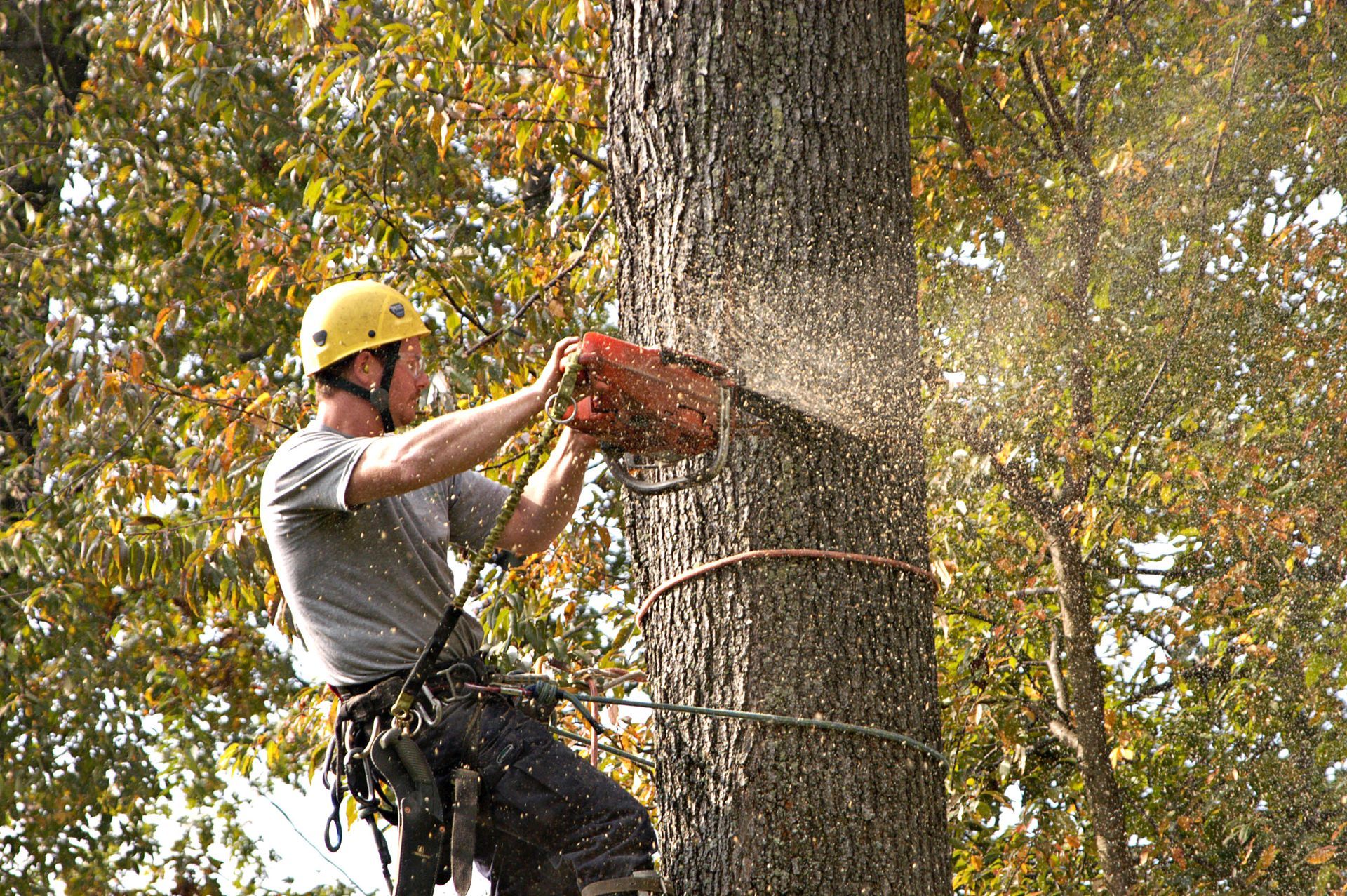
Executing full removals becomes necessary when trees suffer severe structural decay, extensive pest damage, hollow trunk cavities, or irreversible root system failures. Lingering dead or dying trees present immense liability risks for property owners, as unpredictable structural failures can crush residential living quarters, crush neighbor fences, or injure passing pedestrians without warning. Removing large, compromised specimens requires specialized rigging techniques, heavy machinery, aerial lifts, and precise directional cutting to lower heavy timber sections safely within tight suburban confines. Professional arborists evaluate structural integrity, weight distribution, and surrounding obstacles before initiating complex teardowns, ensuring that nearby structures, garden beds, and underground utilities remain completely undamaged. Utilizing high-grade rigging systems allows crews to dismantle towering trunks section by section, turning hazardous landscape obstacles into manageable timber pieces smoothly. Relying on professional tree services for hazardous removals eliminates severe safety risks, clears dangerous structural hazards from your yard, and makes space for fresh, healthy landscape plantings.
Grinding Unwanted Stumps
Grinding down leftover wood stumps completes the removal process, converting unsightly physical obstacles into useful organic wood mulch while reclaiming valuable lawn space. Leaving raw wood stumps in the ground after tree felling creates multiple long-term landscape problems, including trip hazards for playing children, mower blade damage, and ideal breeding conditions for subterranean termites, carpenter ants, and wood-rotting fungi. Over time, buried root systems may also sprout unwanted secondary suckers, creating unsightly brush clumps that siphon moisture and nutrients from surrounding grass patches. Commercial stump grinding machines utilize high-speed carbide-tipped teeth to chew wood down below ground level, pulverizing dense heartwood and primary root collars effortlessly. Sub-surface grinding enables homeowners to backfill deep holes with fresh topsoil, sow new lawn seed, or plant decorative flower beds seamlessly over the old site. Clearing subterranean wood debris eliminates pest harborages, improves lawn aesthetics, and restores flat, safe turf areas across your entire yard.
Assessing Plant Health
Evaluating plant vitality, soil nutrient levels, and subtle disease symptoms allows arborists to diagnose hidden physiological stressors before irreversible decline occurs. Trees frequently encounter urban growth challenges, including compacted soil conditions, drought stress, nutrient deficiencies, invasive insect infestations, and fungal leaf blights that weaken natural defenses. Experienced plant health care specialists conduct thorough site inspections, examining foliage color, leaf size, bark texture, radial growth rates, and root crown conditions to identify emerging health issues accurately. Implementing targeted deep-root fertilization treatments injects essential liquid nutrients directly into active root zones, bypassing compacted soil layers and restoring vibrant foliage color rapidly. Furthermore, applying organic pest controls and systemic bio-fungicides combats destructive emerald ash borers, scale insects, and root rot pathogens effectively without harming beneficial yard organisms. Prioritizing routine health evaluations preserves mature landscape assets, strengthens immune responses against environmental stress, and extends the natural life span of cherished yard trees.
Clearing Emergency Storms
Responding to sudden storm damage demands rapid, specialized clearing efforts to stabilize fallen timber, clear blocked driveways, and secure compromised property structures safely. Severe thunderstorms, ice accumulation, flash floods, and high-velocity wind squalls can snap primary trunks, tear away massive scaffold limbs, and uproot mature trees in an instant. Navigating storm-damaged wood remains exceptionally dangerous due to unpredictable tension forces, spring-loaded limbs, suspended overhead hazards, and tangled electrical utility lines hidden beneath fallen foliage. Specialized emergency crews arrive equipped with commercial chainsaws, heavy cranes, and specialized debris loaders to clear crushed structures and restore safe property access rapidly. Emergency responders work systematically to relieve dangerous limb tension, stabilize hanging branches, and haul away heavy storm debris, preventing secondary structural damage to compromised home foundations and rooflines. Relying on emergency tree services during weather crises provides immediate relief, ensuring expert technicians handle hazardous timber cleanups safely, efficiently, and professionally.
Managing Root Systems
Managing subterranean root structures protects foundational masonry, concrete driveways, subterranean utility pipes, and stone walkways from expansive mechanical pressure and root intrusion damage. As mature trees expand, large surface roots naturally spread outward in search of moisture and oxygen, occasionally lifting surrounding patio pavers, cracking asphalt driveways, or invading cracked clay sewer lines. Professional root management involves installing vertical root barriers, executing targeted root pruning, and applying specialized soil aerations to direct growth away from structural home foundations. Careful root pruning requires technical expertise to ensure that primary structural anchor roots remain intact, preserving total tree stability during high winds while protecting nearby concrete hardscapes. Additionally, resolving soil compaction around primary root zones using compressed air tools allows roots to breathe without causing physical trauma to delicate root bark. Proactive root management balances structural hardscape protection with healthy tree development, ensuring peaceful coexistence between home architecture and surrounding natural landscapes.
Maintaining a safe, healthy, and visually striking residential canopy requires continuous technical care, proactive health management, and specialized mechanical expertise across every growth stage. From precision canopy trimming and hazardous tree removal to stump grinding, plant health care, emergency storm clearing, and subterranean root management, professional oversight safeguards your property while elevating total curb appeal. Investing in certified arboricultural care protects your home from severe weather hazards, enhances landscape beauty, and ensures that mature trees remain vibrant, resilient assets for decades to come. At Highpoint Tree Service, we take immense pride in delivering top-tier canopy maintenance, safe hazardous removals, comprehensive health diagnostics, and emergency cleanup solutions tailored to meet your exact residential needs. Contact us today to learn more about how our expert team can care for your landscape trees cleanly, safely, and beautifully.